
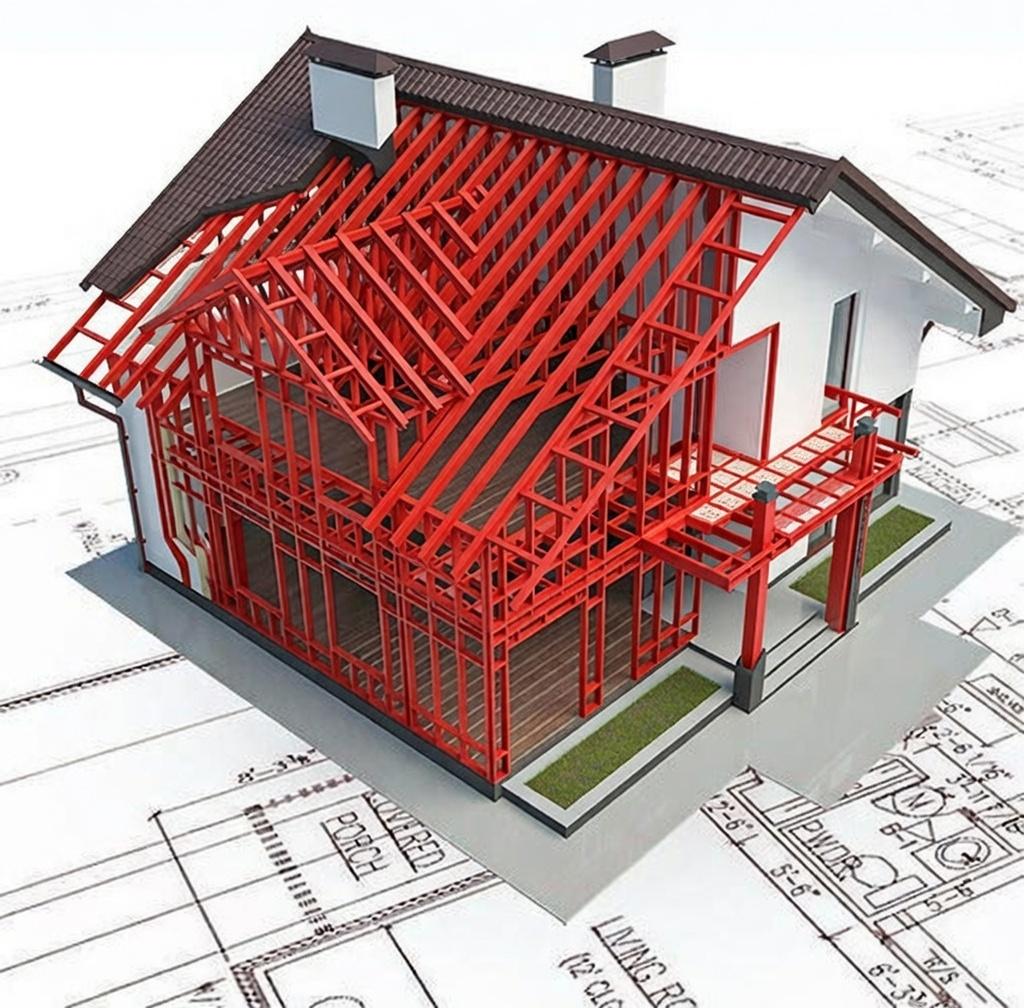
legal requirements
Recently, the construction of prefabricated structures has become widespread in villages. They can be used in many areas, especially in rural areas, where these housing models are available at affordable prices and in various sizes. However, there are specific legal requirements in our country for the construction of these structures, and we have examined these legal aspects and addressed this issue in our article.
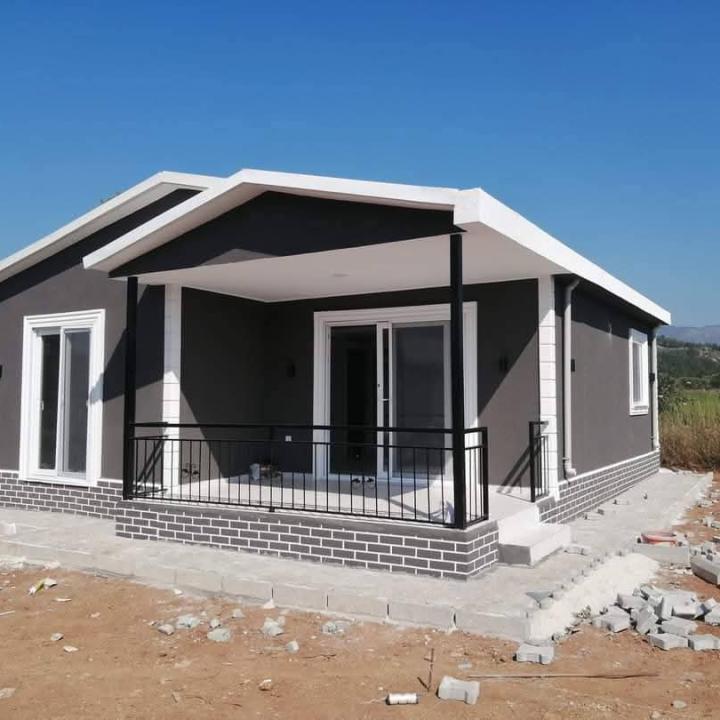
Various building models are used throughout our country. Factory-made prefabricated houses are distinguished by their aesthetic design, making them indistinguishable from other houses. Because of this, and also because they are affordable, these houses are very popular in rural areas. They are considered an ideal economical option for villages.
These buildings are widely popular in our villages due to their advantages and reasonable price. In addition to their affordability, these houses are characterized by their durability and longevity. Therefore, they can be used in many areas of our country and are particularly preferred in villages due to their durability and reasonable cost.
These buildings in villages require specific legal permits. These permits allow you to customize the size and design of the house you purchase, ensuring that you buy a house that complies with the law and meets your preferences. We will detail some of the laws you should consider in the following section.
What are the legal requirements for building a prefabricated house?
Various types and sizes of buildings are used throughout our country. Prefabricated buildings are particularly common in villages. However, Turkish law stipulates that a building permit is required, whether the building is made of reinforced concrete or is prefabricated. Therefore, before starting to build a house, please consider the following points.
Things to consider when buying land
First, to build a house, you need to own a plot of land. When buying land, its type is one of the most important factors to consider. In other words, the land must be classified as agricultural land. If the land you are buying is classified as agricultural land, you cannot build a house on it. Agricultural land is protected by the Ministry of Agriculture and Forestry, so building houses is not permitted on it; only agricultural activities are allowed.
Knowing the buildable area of the plot of land.
You cannot build on the entire area of the land you buy. This means you can only build on a portion of it. This allows you to use the remaining area for a garden or landscaping. In fact, this separation is legally permitted. This separation provides space for parking and drainage, ensuring the sustainability of your future home.
Obtain a building permit.
Once you have confirmed there are no land-related issues, you must obtain a building permit from the municipality and the land registry office. This requires paying certain fees and completing the necessary formalities. After obtaining the building permit, you can also find out the maximum building size you are allowed to construct. After construction is complete, you will need to obtain an occupancy permit. Once you have the occupancy permit, you can access water, electricity, and natural gas services.
What happens if you don't obtain the legal permits?
All homes in our country are built and constructed according to specific legal permits. Under these laws, neighborhoods are enclosed by fences, creating better living spaces. In this context, prefabricated two-story house models contribute to providing more suitable living spaces. Therefore, the laws apply to all of us, and we must abide by them. This also applies to home construction.
If you're wondering what happens if you don't comply with building codes when constructing a house, the simplest answer is that your home is at risk of demolition by municipal authorities. Even if your house isn't demolished, you won't be able to access essential services like electricity, water, and natural gas. However, you can obtain these services using solar panels and rainwater harvesting systems. But even then, your house won't be considered compliant, and you'll only be able to pay land taxes.
Buildings that violate building codes are identified through annual property surveys. These surveys inform municipalities about the legal status of all buildings in our country. So, this situation is unavoidable. However, building a legally compliant house is easy. By paying the necessary fees and submitting the required documents, you can obtain the necessary permits. You can then purchase a legally compliant building and move in immediately.
Get In Touch
- srmda, Laka, 35530 Bayraklı/İzmir
- +905510491255
- info@srmda.com
- Store Hours: 10 am - 10 pm
Make Custom Request
Your request will be answered as soon as possible.
Comment